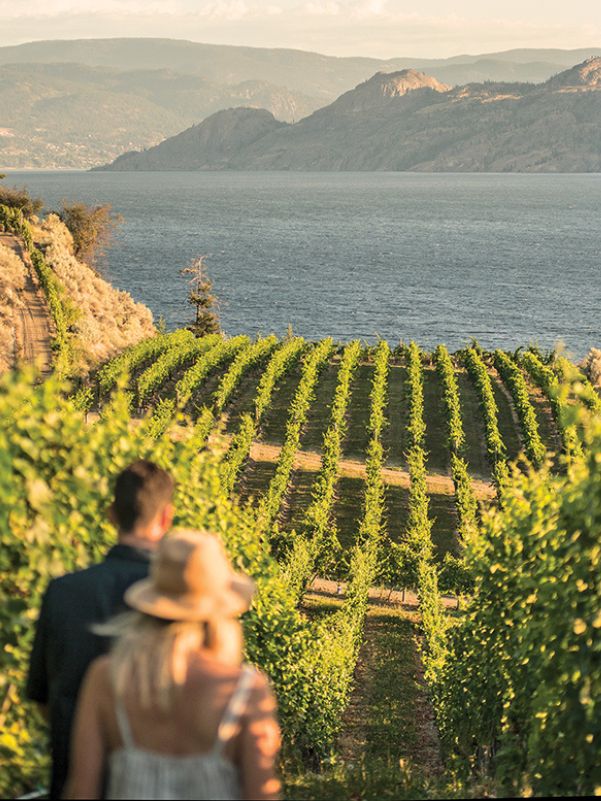
What could be more Canadian than heading out on the highway, looking for adventure? Before you begin your summer road trip, though, follow our guide to make the journey a breeze.
BY YAM STAFF

If you’re like us, nothing thrills you quite like an empty road and a full tank of gas (or fully charged battery, if your wheels are of the EV variety). With the world’s second-largest land mass and second-longest national highway to explore, we Canadians are experts at the road trip. We’ll happily drive for hours just to enjoy a great meal, a stunning view or the chance to spend time with old friends or meet some new ones. We really do get that it’s not (just) the destination — it’s the journey to get there that makes it worthwhile.
And this summer promises to be a great time to hit the road. We’ve fallen in love with our home and native land all over again, eager to discover its wonders from coast to coast to coast, especially here in our own backyard. So fill ’er up and let’s go!
But before you set your GPS for destinations unknown, here are some things to keep in mind.


Be Organized
It’s all well and good to be spontaneous, but without at least some sort of plan you’ll likely end up disappointed or, worse, lost and cranky. Consider what you want out of the trip. Beautiful views? Delicious food? High-energy adventure? Do you have a goal in mind — say, to hike the Stawamus Chief near Squamish, soak in a Rocky Mountain hot spring, learn about Indigenous culture or add to your birding life list? What’s your tolerance for sitting still for hours at a time? More to the point, what’s your family’s?
Perhaps most importantly: How much time do you have? You’ll want to use it wisely, and for that you need a plan. Create an itinerary and remember to share it with a friend or family member who’s not on the trip in case of emergency.
Be Mapped
Everything starts with the route you plan to take. It should be designed to get you where you’re going and back again, with interesting stops along the way. It should include breaks for rest and recreation, and avoid potential dangers, such as roads that are too narrow for your vehicle or that have been damaged through natural disasters.
Google Maps is a handy tool for determining both the best route and points of interest. But don’t rely on GPS and technology alone. In remote areas it can send you in directions you’d rather not go and, indeed, can stop working altogether. Bring a paper map, just in case.
And remember: The best journeys involve getting off the major highways and taking your time to explore, so plan a few scenic detours along the way.

Be Booked
There’s nothing as sure to send your trip off the rails as arriving in a destination tired, hungry and without a hotel reservation, only to find all the rooms in town booked for the night. Whether you’re camping or staying in a luxury resort, it’s wise to reserve your accommodation ahead of time. You can always cancel if the road takes you in a different direction (but beware of any cancellation restrictions before you do so).
Similarly, if there is an attraction you want to see, a bucket-list activity you want to experience or a restaurant you’re hungry to try, book it ahead or risk disappointment.
Be Prepared (and make sure your car is, too)
Yes, yes, road trips are all about freedom, but that nice police officer who pulls you over won’t be so understanding if you don’t have your driver’s licence and insurance at the ready. Make sure your documents are all current and complete, especially if you’re renting a vehicle or driving abroad, where you’ll need rental papers and an international driver’s licence is recommended.
In addition, your vehicle should be in roadworthy shape. Inspections should be up to date, fluid levels topped, tires checked, any worrisome problems taken care of. And don’t forget your emergency kit! In addition to basics like a spare tire and jumper cables, it should include, at the very least: flares, blankets, a first aid kit, a flashlight, extra batteries, basic tools, snow brush and scraper, and a small shovel. For more suggestions, visit caa.ca.

Be Well Provisioned
I Spy and roadside fast food will only get you so far. Pack healthy snacks and plenty of water to keep everyone, especially the driver, energized and well hydrated. There’s nothing like a car full of “hangry” passengers to make you wish you’d stayed home.
And while you might think the scenery and activities en route should be enough to keep everyone happy, the truth is that long drives can be boring for anyone who’s not behind the wheel, especially young kids. Bring books, puzzles, games and/or devices to keep them entertained, and create a road-trip playlist to boost the mood.
Also: Pack what you need for the activities you plan to do, but don’t overpack. Loading and unloading a bunch of stuff each night is a miserable exercise and besides, you want to leave room for discoveries to bring home, like cases of wine or works of art. In any case, try to pack the vehicle the same way each time — future you will be grateful if you ever need to find something urgently.
Be Safe
There are plenty of things that can go wrong on a road trip and, while you shouldn’t let anxiety keep you at home, some caution is a good idea.
Get enough sleep before and during the trip, take plenty of breaks and limit your daily drive time — four to six hours’ driving is usually the max for most people. Stay well hydrated (that will help keep you alert) and use every chance you can to take a bathroom break. Keep your car well-fuelled, too. Navigating a remote mountain pass while your fuel gauge is pinging on empty is no fun at all. Don’t ask us how we know.
Be aware of weather and road conditions. Wildfires, storms, flooding, landslides and other disasters have become more prevalent in recent years and if there is an advisory to avoid a region, follow it. You’re not just putting yourself at risk, but also any emergency personnel who will need to come to your aid. Follow Drive BC for updated road conditions.
Be Flexible
Despite all your well-laid plans, something is sure to go awry. How you handle it determines whether your summer road trip is a disappointing disaster or a journey filled with delightful surprises. Embrace the unexpected, enjoy the view, make new friends and always take the road less travelled.
5 Great B.C. Drives
No plans? Not sure where to go? Start with these gorgeous routes right here in British Columbia.
1. Sea-to-Sky Highway
The journey: 162 kilometres, less than a day, departing from Vancouver.
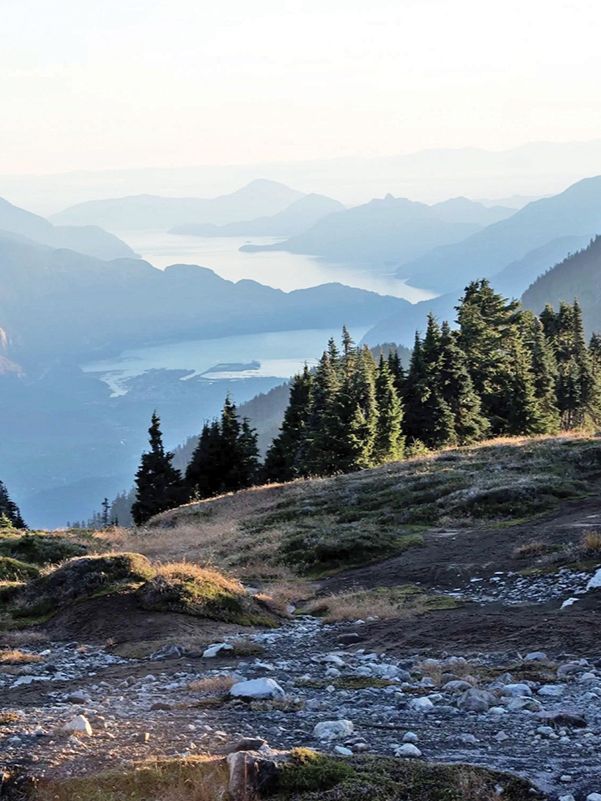
Whistler-Blackcomb is never not a good time, but even better is the journey to get to this world-class four-season resort. Highway 99 northwest of Vancouver meanders through dramatic scenery — towering mountains, breathtaking fjords, canyons, waterfalls — with “must” stops along the way. Among them: Britannia Beach with its historic mine and growing foodie scene; the Stawamus Chief, one of the world’s largest granite monoliths; and the Sea to Sky Gondola near Squamish. Take time to stop at the seven interpretive kiosks shaped like cedar-bark hats to learn about the region’s Indigenous history.
2. Pacific Marine Circle Route
The journey: 255 kilometres, one to three days, departing from Victoria.
If your time is short but your craving for adventure is huge, then this drive is for you. It’s a wonderfully winding route that covers breathtaking beaches, towering old-growth rainforests, the Cowichan Valley wine region, plenty of great eats and stunning views of Juan de Fuca Strait. Even better, you can do it in a single day from Victoria, and you don’t even need to board a ferry. Just head west toward Sooke and keep going through Cowichan Lake, Duncan and back down Highway 1 to home.
3. Hot Springs Circle Route
The journey: 851 kilometres, seven days, departing from Cranbrook.
If your idea of a perfect road trip involves both spectacular scenery and steamy natural hot springs to soak away the cares of the day, the Kootenay Rockies are beckoning. This route meanders through towering mountains and historic communities, and offers plenty of wildlife viewing, outdoor adventure and pristine parks to explore. It also boasts everything from high-end resorts to rustic hot springs tucked away in the forest. Ahhhh.

4. Coastal Circle Route
The journey: 560 kilometres, three to seven days, departing from Victoria.
Hit the Island Highway and head up the east coast of the Island to Courtenay-Comox. Then hop a ferry to Powell River and Lund on the Sunshine Coast; from there, head south to Vancouver through Sechelt, Gibsons and Horseshoe Bay. This journey is all about beautiful coastal scenery, exceptional seafood, intriguing Indigenous culture and funky little communities where you can meet artists and artisans in their studios, then a big-city adventure at the end. Just note that it will involve four ferry rides before you get back home again.
5. Route 97: The Okanagan Corridor
The journey: 214 kilometres, one to five days, departing from Vernon.
If you crave a more indulgent sort of journey, then this trek through wine country should whet your appetite. It follows Route 97 from the relatively cool lake country around Vernon in the north to the desert lands around Osoyoos in the south, with stops at fruit stands, wineries, cheeseries, bakeries and world-class restaurants along the way. Among the highlights: savouring Kelowna’s urban wineries (and breweries, and distilleries), exploring the Kettle Valley Rail Trail by e-bike, stopping at Tickleberry’s for ice cream, climbing the Skaha Bluffs and being moved by the Indigenous experience at the Nk’Mip Desert Cultural Centre. Be sure to leave plenty of room in the car to bring wine home with you.
For more info on these and other great drives in B.C., visit hellobc.com/travel-ideas/road-trips.