
Follow these rules to ensure that your guests have a good time — and more importantly, so do you.

We’ve all been to those dinner parties where things have gone ever so slightly off the rails, where the potatoes are underdone and the steak is tough, where the wine runs out or the cook is overserved, where the guests are seated forlornly at the table while the hosts hiss furiously at each other in the kitchen, where things break, or spill, or spoil, and the food isn’t ready until late in the evening and everyone is ever-so-slightly schnockered.
Chances are, you may even have hosted some of these yourself. We sure have.
Hosting is hard, which may be one reason why the dinner party is, as has been widely reported, a declining art. All across North America, we’ve fallen out of the habit of having people over, preferring to meet in restaurants or across a screen or not at all.
But it doesn’t have to be that way. Gathering your friends and family around your table is an act of grace, and feeding them can be joyful, and generous, and, yes, fun. So we’ve done the research, talked to the best hosts we know and dug into our own experiences to provide you with everything you need to know about hosting your own event — and having as much fun as your guests do.
With the holiday season upon us, this is the best time of year to open your doors to friends and family. Here are the rules you need to know to be a good host.

Plan ahead.
It may sound like a good idea to be all spontaneous and carefree, but the reality is that if you don’t plan properly you’ll inevitably forget something — or worse, someone — and you won’t have time to take care of the little details that make people feel cared for. Plus last-minute things inevitably cost more.
The end result? Hurt feelings, lots of stress and a bigger bill at the end of it all. So give yourself more time than you think you need, especially at busy times of the year like the holidays and even moreso if you need to book a venue, a caterer or live entertainment.
Create a timeline.
Actually, make that two timelines: one leading up to the event and an hourly one for the day of the event. List all the tasks that need to be done. Decide which of them need to be shared or outsourced, then be sure to assign them. Tick items off as they’re completed. And on event day, include time to take a break, have something to eat, get changed and recharge your batteries before your guests arrive.
Get the invitations out early.
Everyone is busy and schedules fill up quickly, so if you want people to show up, give them plenty of notice. As soon as you’ve confirmed the date of your event, send out a “save the date” note, followed by an official invitation about a month before and reminders the week and day before.
The invitation should include: time and location of the event, any theme or dress code, and whether it will be outside, games will be played, guests need to bring a dish or anything else they should expect. Also make sure to ask about any allergies, aversions or other issues.

Plan a menu that works for you and your guests.
There are many schools of thought about what makes a good party menu. Some people will tell you not to get too fancy because it’s intimidating to guests. Others suggest going all out. We figure it all depends on the kind of event it is, who’s attending, how much time you have to prepare everything and your own skill level as a cook. Here are some general guidelines to follow.
- Decide on the tone of the event (casual or formal) and choose a theme (Spanish tapas, say, or English roast) to build your menu around.
- Determine whether your event will be a buffet, passed canapés, a plated sit-down dinner or a meal with guests seated at the table and dishes served family style. If people are not seated to eat, choose foods that can be eaten with just a fork.
- Make sure you have enough food. If you’re serving cocktail-hour canapés, plan on four to six bites per person for a one-to-two-hour event, eight to 10 if it goes longer.
- If you’re serving dinner, plan to offer snacks beforehand, then a main course, one or two sides and dessert. If you like, you can also add a lighter first course as well.
- Accommodate any dietary restrictions.
- Choose components that you can make ahead of time — and preferably have made before — so you’re not experimenting under pressure.
- Vary food colours, textures and flavours, balancing bold flavours with mild ones.
- Try not to duplicate the same menu with the same people.
- Consider having a Plan B in case something falls through, such as a backup lasagna in case the main is a disaster or a box of chocolates if the cake collapses.
- And don’t be afraid to hire a caterer or outsource part or all of the meal.

Stock your bar well.
You should not feel obligated to provide a full bar, but should make sure to have enough drinks, glassware and ice to keep the party flowing. (You can find drinks calculators online.)
Offering a pre-batched welcome cocktail is a good way to get the party started, but have sparkling wine and fizzy water available as an alternative.
With the meal, offer a choice of red or white wine. If you’re uncertain what to serve, many liquor stores have experts on staff who can suggest pairings with your menu.
And always have non-alcoholic options available, such as zero-proof beers or canned cocktails in addition to sodas.
Provide proper tableware.
Paper plates, plastic cups and disposable flatware may seem convenient, but they are awkward to use and create an unnecessary amount of garbage later. Don’t think you need to rush out and buy tableware for 30 people, though. Renting it is easy, way less expensive than you might think and, best of all, you don’t have to wash it at the end of the night.
Welcome offers of help.
Even if you hate sharing your kitchen, it’s always nice to have someone else pass the appetizers, fill up wine glasses or clear the table. And for some guests, helping is a way to overcome feeling shy or awkward. Besides, sharing a job makes it more fun. So if someone offers to pitch in, just say yes and find a way to make it work for both of you.
Don’t leave cleanup for the next day.
Future you will be grateful if you put the leftovers away, do a load of dishes and stack the rest, clean up the garbage and do a basic tidy so you’re not faced with a disaster zone in the morning. Just don’t get too keen about cleanup while your guests are still enjoying themselves or they’ll feel like you’re rushing them out the door.
Be present.
This is the most important rule of all. Your guests are there to see you, not your famous scratch-made cassoulet or beef Wellington. Get out of the kitchen or from behind the bar, and try to avoid the overwhelm. Spend time with your guests, not the gravy. And if things go wrong, don’t sweat it. You can always order pizza and open another bottle of wine.
After all, your event won’t be fun unless you are, too.
So You Wanna Host a Potluck
Potlucks are a great way to entertain because they allow you to share both the cost and the workload of preparing a meal for a crowd — and besides, they’re loads of fun. But there are a few important things to keep in mind to avoid the dreaded #PotluckFail.

1. Plan a low-maintenance dish.
If possible, bring a dish that can be served at room temperature so you can avoid having to fight for oven space. If you do need extra fridge or oven time, let your host know ahead of time.
2. Bring food that travels easily.
Casseroles and slow-cooker recipes are less likely to spill en route than platters of food.
3. Make it ready to serve.
Don’t expect to use your host’s serving dishes. Instead, pack food in containers that can go straight from oven to buffet table, such as disposable foil trays or ceramic baking dishes, and provide your own serving utensils. Just remember to bring them home with you later.
4. Label your food.
Let guests know what you’re serving them, especially if there are any dietary concerns.
5. Bring a host gift.
Yes, you should still bring something for the host, such as a bottle of wine, potted plant or jar of fancy preserves.

1. Assign categories of food.
To avoid having, say, a dozen salads or nothing but bread rolls, when your invite list is complete, send around a sign-up sheet so guests can choose the category of dish they want to make (mains, appies, salads, desserts). Also:
- Let guests know if there’s a theme to the party.
- Give them plenty of time to plan and prepare.
- Ask about food allergies or aversions and communicate those clearly to other guests.
2. Stock the bar.
Make sure you have enough wine, beer and non-alcoholic drinks on hand. Consider a big-batch cocktail or a build-your-own highball station for a fun and easy twist.
3. Provide plates.
Even if your guests bring their own serving dishes, it’s your job to provide the plates they’re going to eat from, as well as cutlery and napkins.
4. Set the mood.
Tidy, clean, decorate and create a playlist to keep the mood light and the energy high.
5. Be food safe.
Keep anything that spoils easily chilled until right before serving, and toss anything that’s been sitting out for more than two hours, especially dairy, meat or seafood.

So You Wanna Host an Open House
If you’re not in the mood for a formal sit-down but still want to host friends and family, consider a casual open-house party. This allows your guests to come and go at their leisure, making it ideal for the busy holiday season when there are so many demands on everyone’s time — including yours. Here’s how to make it a success.
- Plan your open-house party for early in the holiday season, before things get too busy — or during the slow days between Christmas and New Year’s.
- Send invites via email, explaining what the event is on the invite, especially if your crowd is unfamiliar with open-house-style parties.
- Create a festive ambience with décor, music, sparkly lights and scented candles.
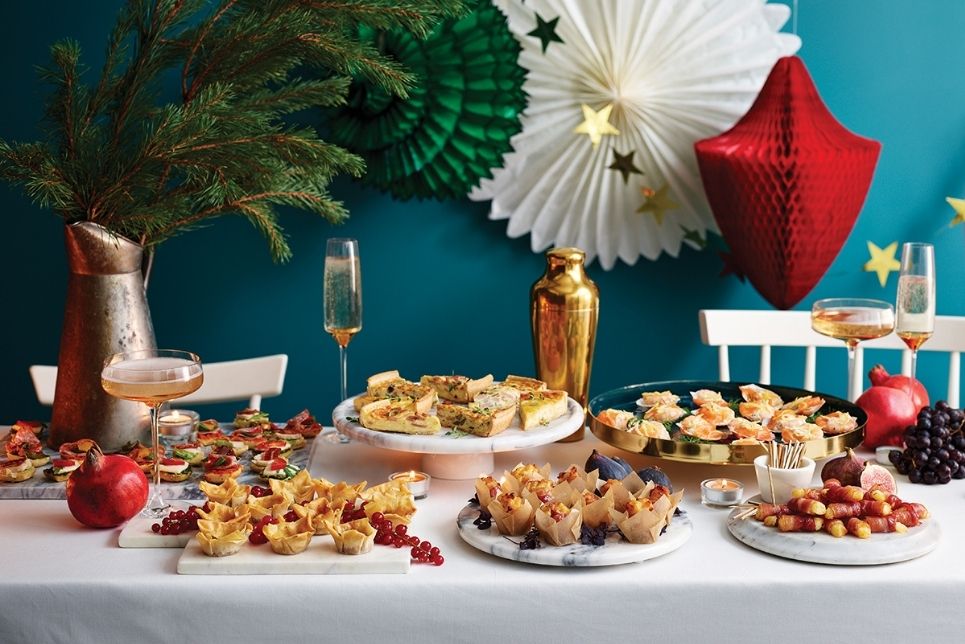
- Plan a menu of light bites that people can graze on while walking around and chatting. Ideally, they should be prepped ahead of time and served chilled or at room temperature. Cheese and charcuterie boards are ideal, as well as chips, crudités, dips and platters of cookies. Just make sure anything that can spoil is kept chilled as much as possible and tossed after two hours.
- Batch drinks are handy — think hot mulled wine or cider, bowls of punch, drink dispensers and carafes of pre-batched cocktails. Fill party tubs with beer and wine. Make sure you have plenty of non-alcoholic drinks on hand.
- Provide plates, napkins, glassware, servingware and, if necessary, flatware, but let guests help themselves.
- Control the flow of the crowd by placing your food and drink stations strategically far apart. If possible, avoid bottlenecks by putting them in the centre of the room. Keep the littles entertained with an activity area supplied with colouring books and crayons. And distribute bowls of chips, nuts, chocolates and cookies throughout your home so there is always something snackable within guests’ reach.


